
Our Program
Through inquiry, collaboration, and reflection, we teach students how to think, not what to think.
Socratic Practices in the Classroom
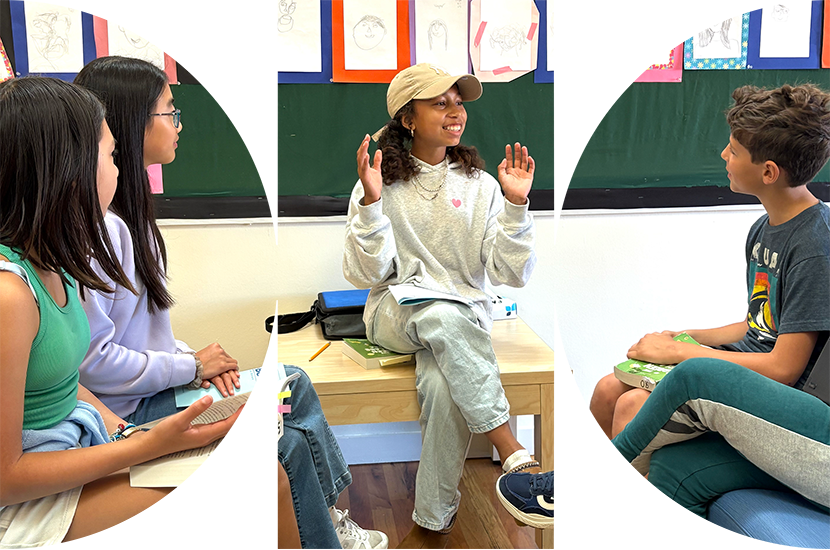
Leading with questions, not answers
Teachers facilitate discovery through thoughtful questioning, helping students uncover insights rather than delivering predetermined conclusions
Building on each other's ideas
Students learn to listen deeply, respond thoughtfully, and see their classmates as intellectual partners when exploring ideas
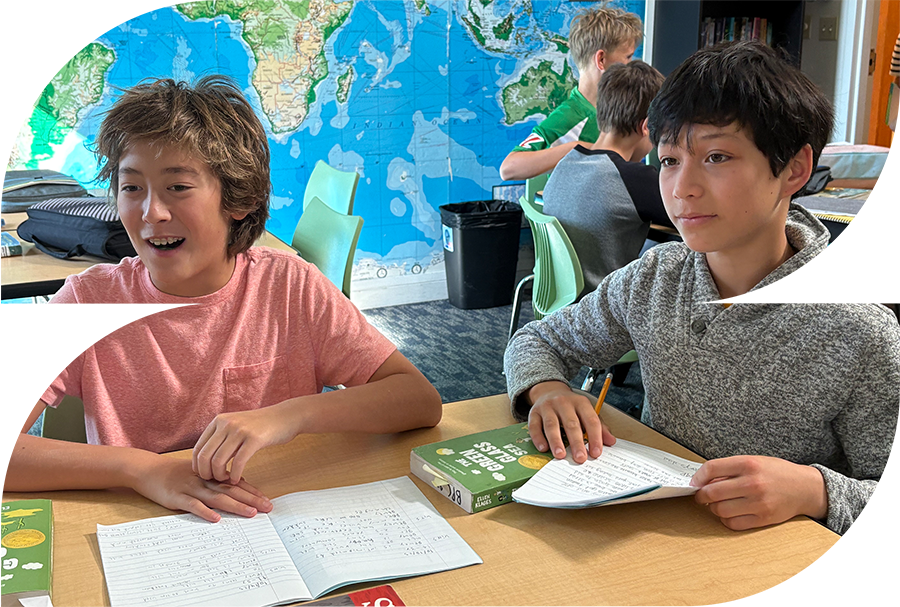
Connecting across differences
Through respectful dialogue about challenging topics, students develop cultural understanding and learn to engage constructively across diverse viewpoints
Exploring multiple perspectives
Students engage in discussions from different points of view, building empathy while strengthening their analytical skills
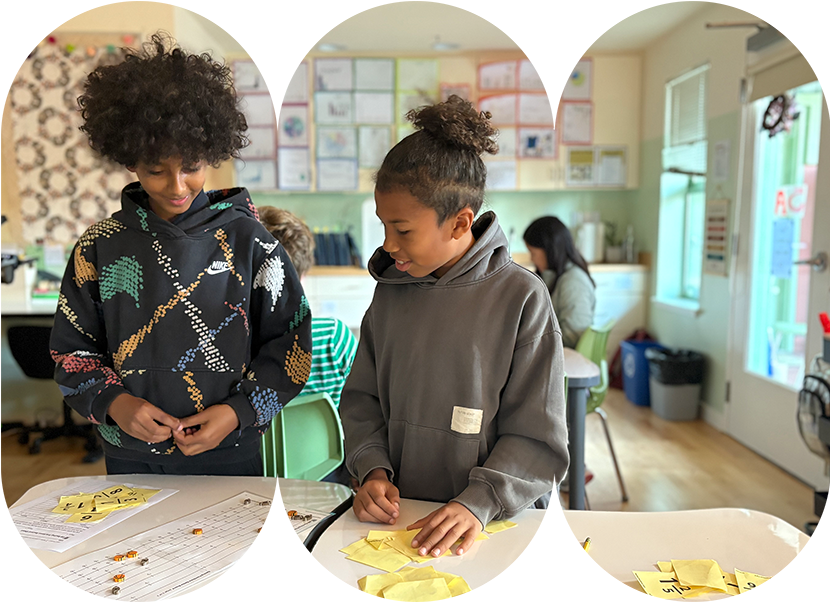
Examining ethical dimensions
Every topic becomes an opportunity to think critically about right and wrong, developing moral reasoning alongside academic understanding
Sitting with complexity
Rather than rushing to simple answers, students learn to embrace ambiguity and navigate nuanced ideas with confidence
Developing intellectual courage
Students practice expressing emerging ideas, taking intellectual risks, and refining their thinking through feedback and reflection
Differentiated Instruction: Meeting Every Learner Where They Are
Differentiated instruction is a teaching approach that tailors learning experiences to meet the diverse needs of all students. This means students are offered multiple ways to take in information, make sense of ideas, and demonstrate their understanding. At BPC, differentiation is embedded into the fabric of every classroom experience.




Social and Emotional Learning
At Black Pine Circle School, we recognize that emotional intelligence and self-awareness are just as vital as academic growth. Social and emotional learning (SEL) is woven into the fabric of daily life, from the classroom to the playground, across every grade level. Our faculty integrates research-based SEL programs and reflective practices to nurture students’ personal growth, interpersonal skills, and sense of belonging within the community.
Committed to
Diversity, Equity, & Inclusion
Since our founding in 1973, our community has been committed to serving all students and families, regardless of their race, sexual orientation, gender, ability, age, nationality, or religion. It’s a priority for us to prepare students to collaborate and thrive in a diverse world. Our graduates understand systems of inequity and what it means to be an agent of change. We continue to make meaningful, measurable progress in serving families and educators who reflect the rich cultural and demographic diversity of the East Bay.